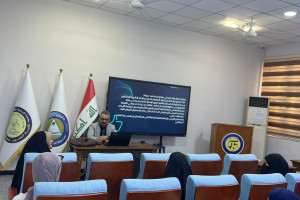
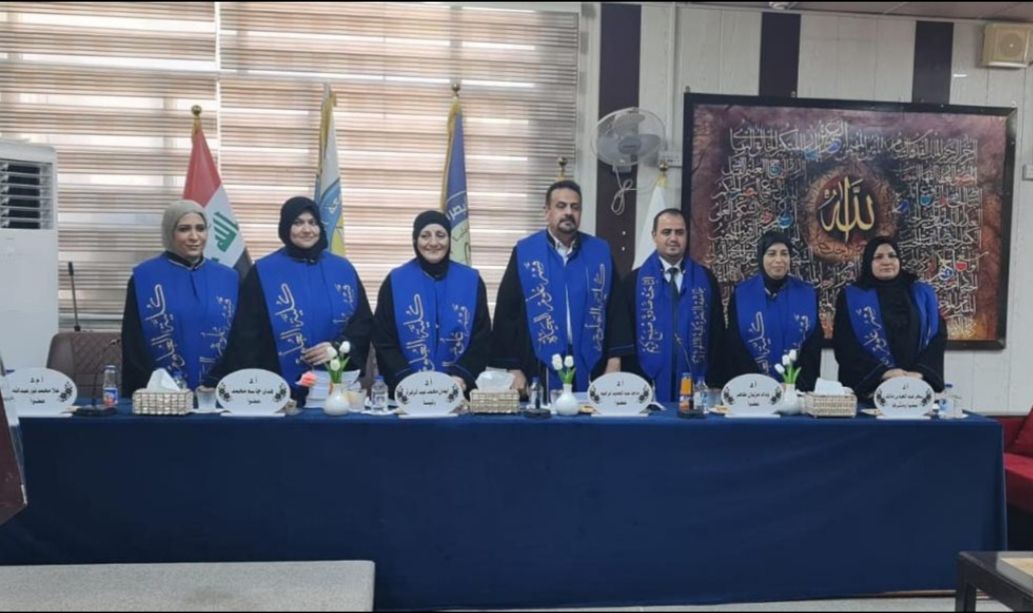
A thesis titled "A Taxonomic and Molecular Study of Malvaceae Plants in Iraq" by researcher (Sadeq Sabeeh Kareem Altaie) was discussed at the College of Science, University of Basra. This thesis is to examine the morphological, anatomical, chemical, molecular, and geographical distribution aspects of Malvaceae family plants in Iraq. The research demonstrated that morphological traits, including plant type, leaves, stipules, epicalyx and its relation to the calyx, and fruit type, are crucial for the classification of the examined genera and species. The study also showed that pollen grains were spherical with polyporate in the studied species. Anatomical studies (such as the epidermal cells, stomata, hairs, leaf mesophyll, and petiole, as well as the internal structure of the stem) played an important role in classifying the species. The study also revealed the presence of chemical compounds in the leaves of the species, the most important of which are phytol, stigmasterol, gamma-sitosterol, campesterol, n-hexadecanoic acid, squalene, vitamin E, and Eugenol . The molecular study also provided a clear picture of the genetic relationships between the studied species using the matK gene. The study identified new species in Iraq: Alcea apterocarpa, A. biennis, A. pisidica, A. rematiflora, A. Striata, Hibiscus tiliaceus, and Malvaviscus arboreus. The study recommended calculating the haploid and diploid chromosome numbers of plants in the Malvaceae family and conducting in-depth genetic studies at the DNA, RNA and protein to identify mutations and hybrids within the species.
Important News


viewed most