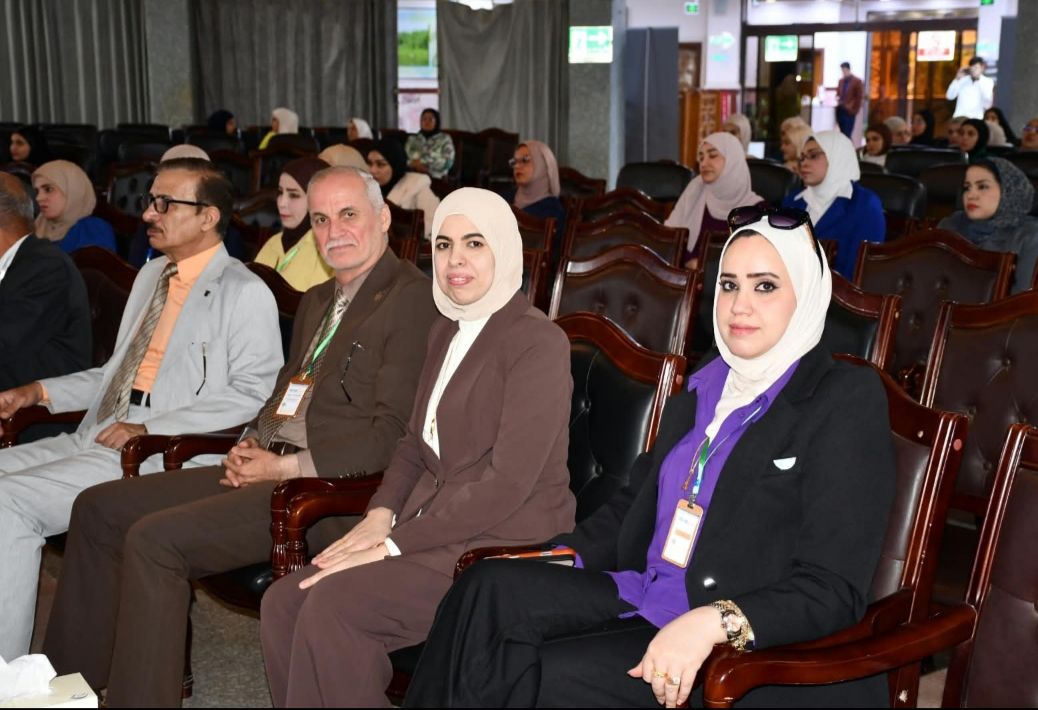
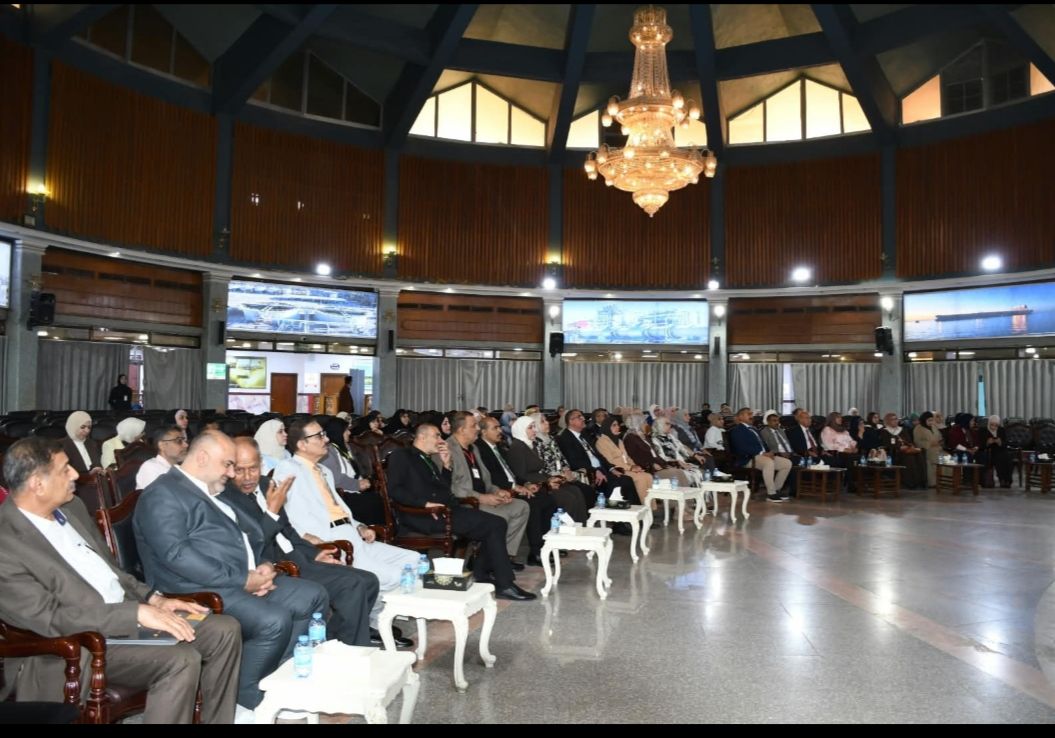
On Thursday, September 17, 2026, the second day of the International Conference on Applied biology Sciences (ICAB 2026) concluded. Organized by the Department of biology Sciences at the College of Science, University of Basrah, under the theme "New Horizons in Applied biology Sciences: Towards Smart and Sustainable Solutions," the event was held at the Oil Cultural Center in Basrah.
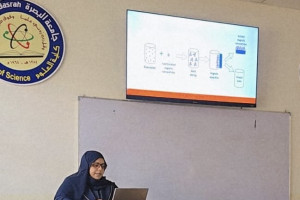
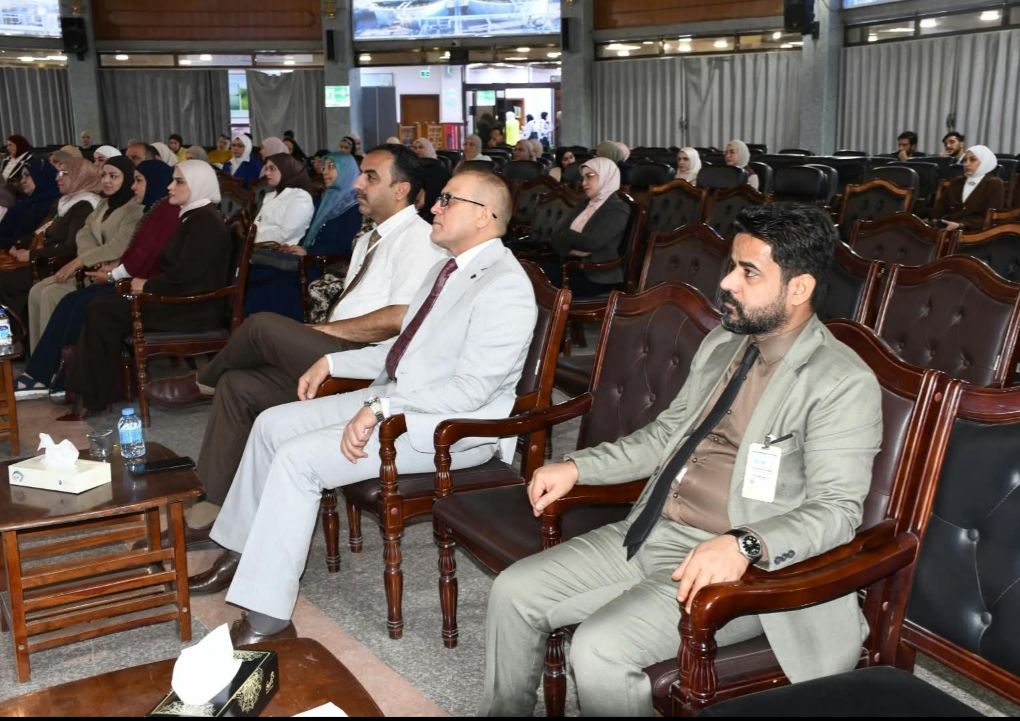
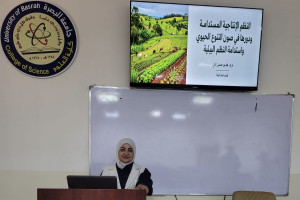
The second day’s agenda featured the presentation and discussion of specialized scientific research across two sessions, involving researchers and academics from various fields of applied biology sciences.
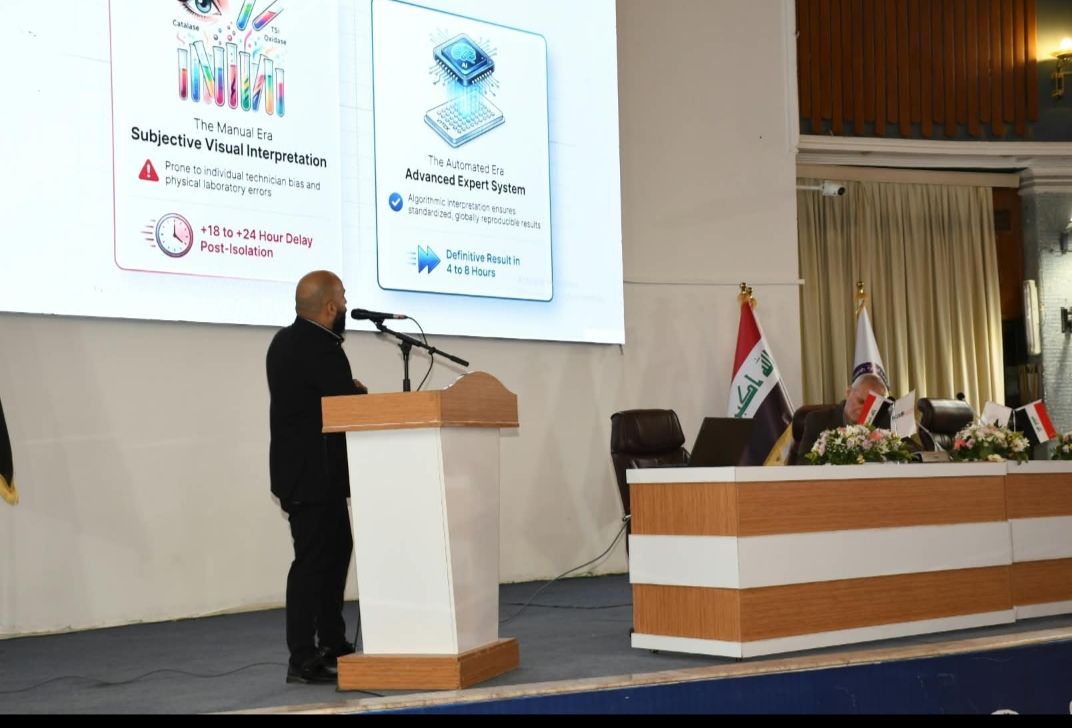
In the main hall, a session dedicated to Genetics, Biotechnology, and Environmental Science was held. Research papers presented in this session covered topics such as the antibacterial activity of plant extracts, applications of Geographic Information Systems (GIS) and remote sensing, heavy metal analysis in Iraqi rice varieties, and the use of aquatic plants as bio-indicators for heavy metal pollution in rivers.
This was followed by a session on Botany, which included research on the physiological effects of salt stress on plants, the green synthesis of nanoparticles using algal extracts and their impact on plant tissue growth, and a study on the influence of plant extracts on the chemical composition of medicinal plants.
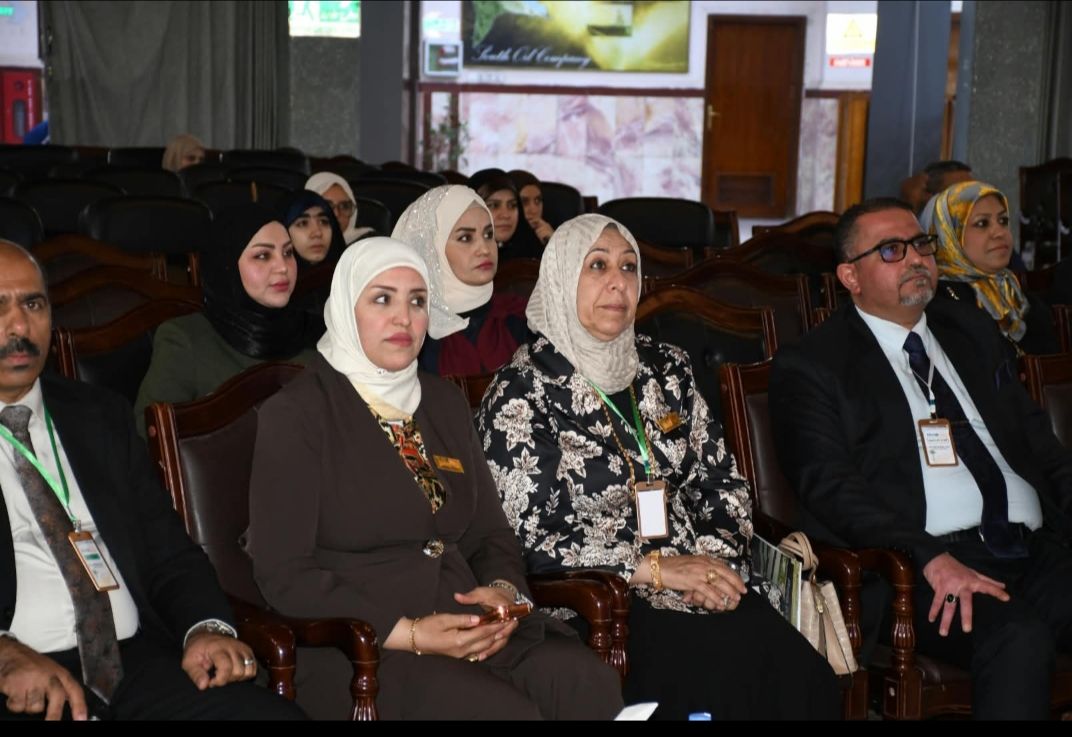
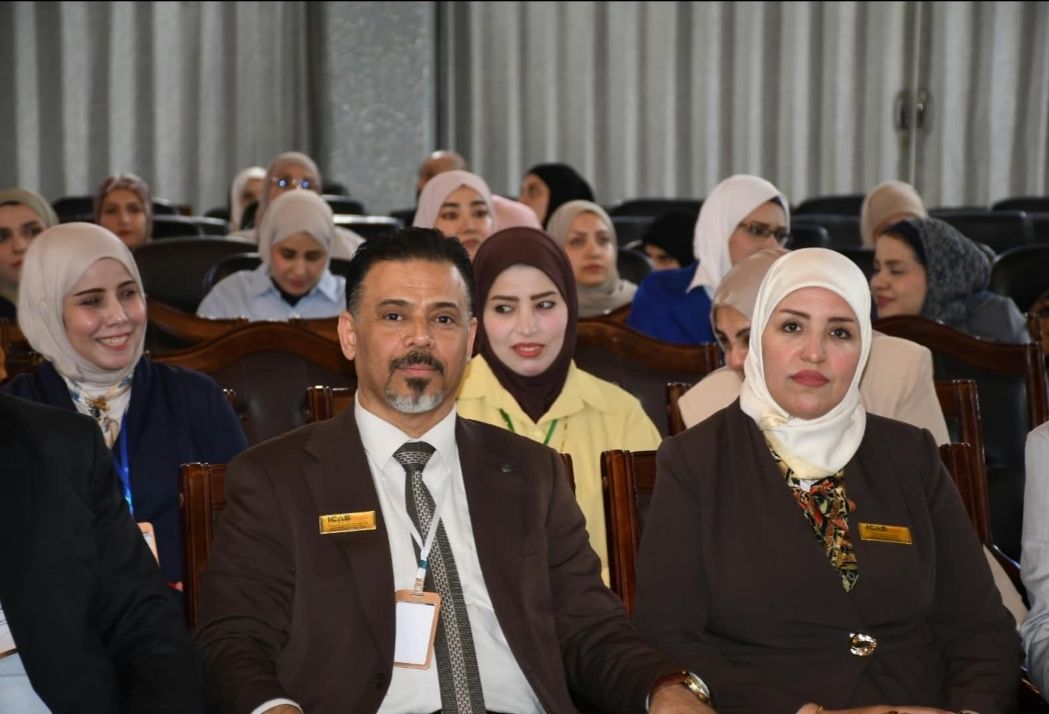
The sessions fostered scientific discussions and exchanges between researchers and attendees regarding the presented research, its findings, and its applications. These interactions facilitated the sharing of views and scientific expertise while highlighting the diversity of research within the field of applied life sciences. At the conclusion of the conference, the organizing committee, researchers, and participants reviewed and discussed the final recommendations. These were formulated based on the research, discussions, and proposals presented during the scientific sessions, ensuring alignment with the conference's scientific and practical objectives.
The closing proceedings also included the presentation of participation certificates to the researchers in recognition of their scholarly contributions, as well as the honoring of students who assisted in the preparation and organization of the event, acknowledging their efforts and pivotal role in the conference's success.
Thus, the third International Conference on Applied biology Sciences (ICAB 2026) concluded after two days of scientific activities, research presentations, and discussions. The event drew diverse academic and research participation, underscoring the importance of sustained scientific communication, the exchange of expertise, and enhanced research collaboration in applied life sciences—all of which contribute to serving society and achieving sustainable development.
Important News

viewed most