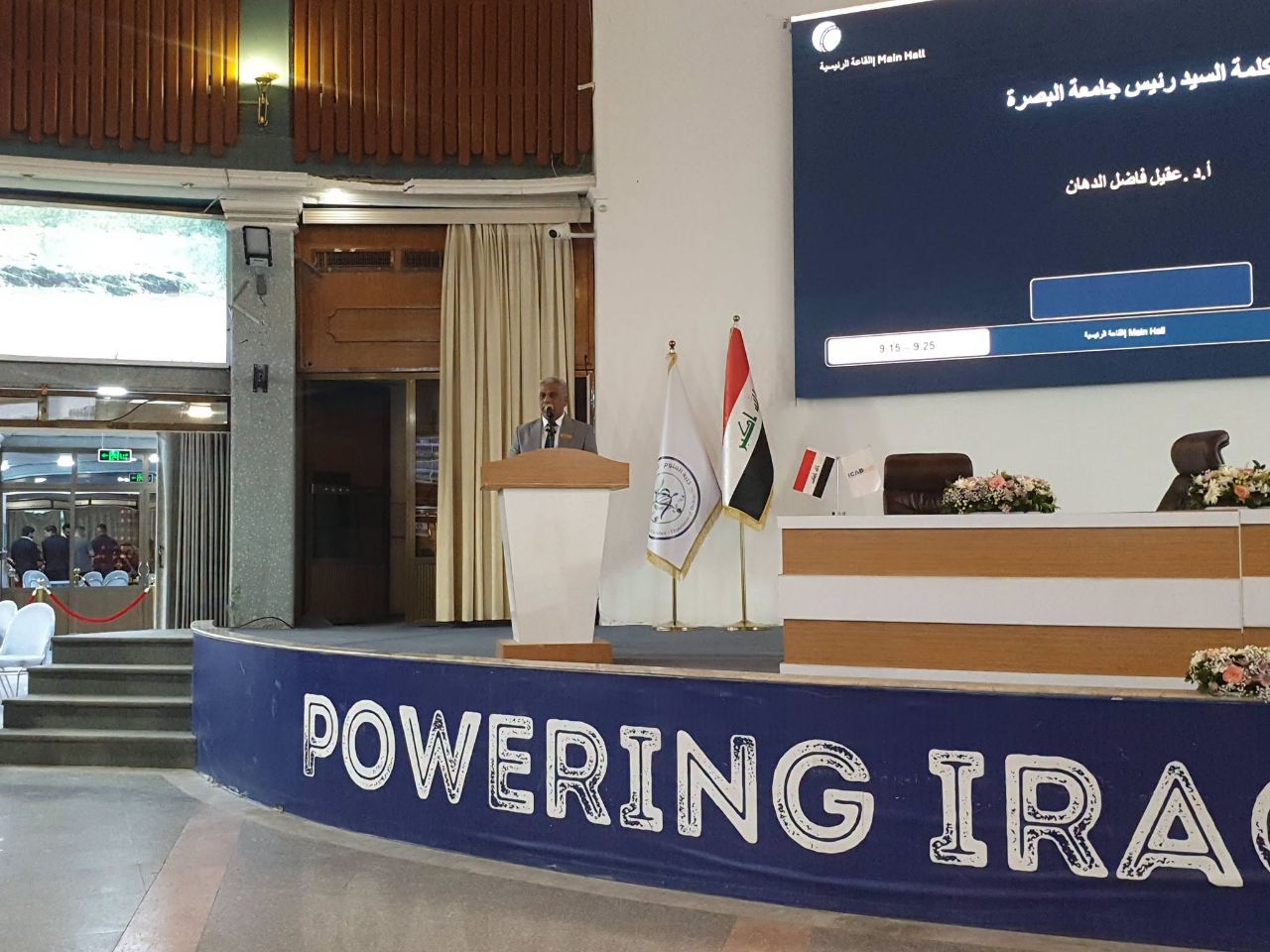
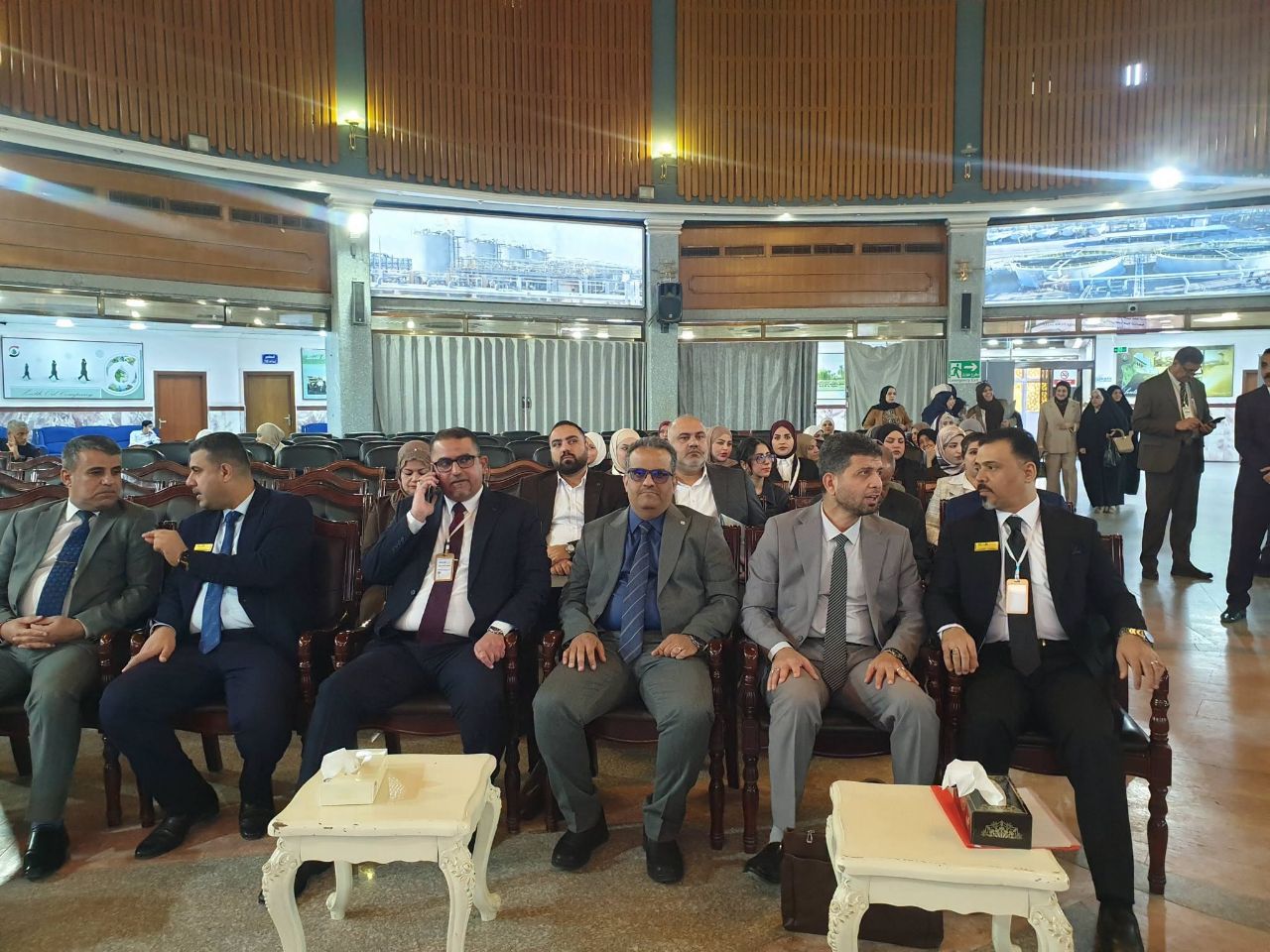
Under the auspices of the University of Basrah presidency and the supervision of the College of Science deanship, the Department of biology Sciences at the College of Science—University of Basrah—held the first day of the 3rd International Conference on Applied biology Sciences (ICAB 2026) on Wednesday, September 16, 2026. Held at the Oil Cultural Center in Basrah under the theme "New Horizons in Applied biology Sciences: Towards Smart and Sustainable Solutions," the conference runs from September 16 to 17, 2026.
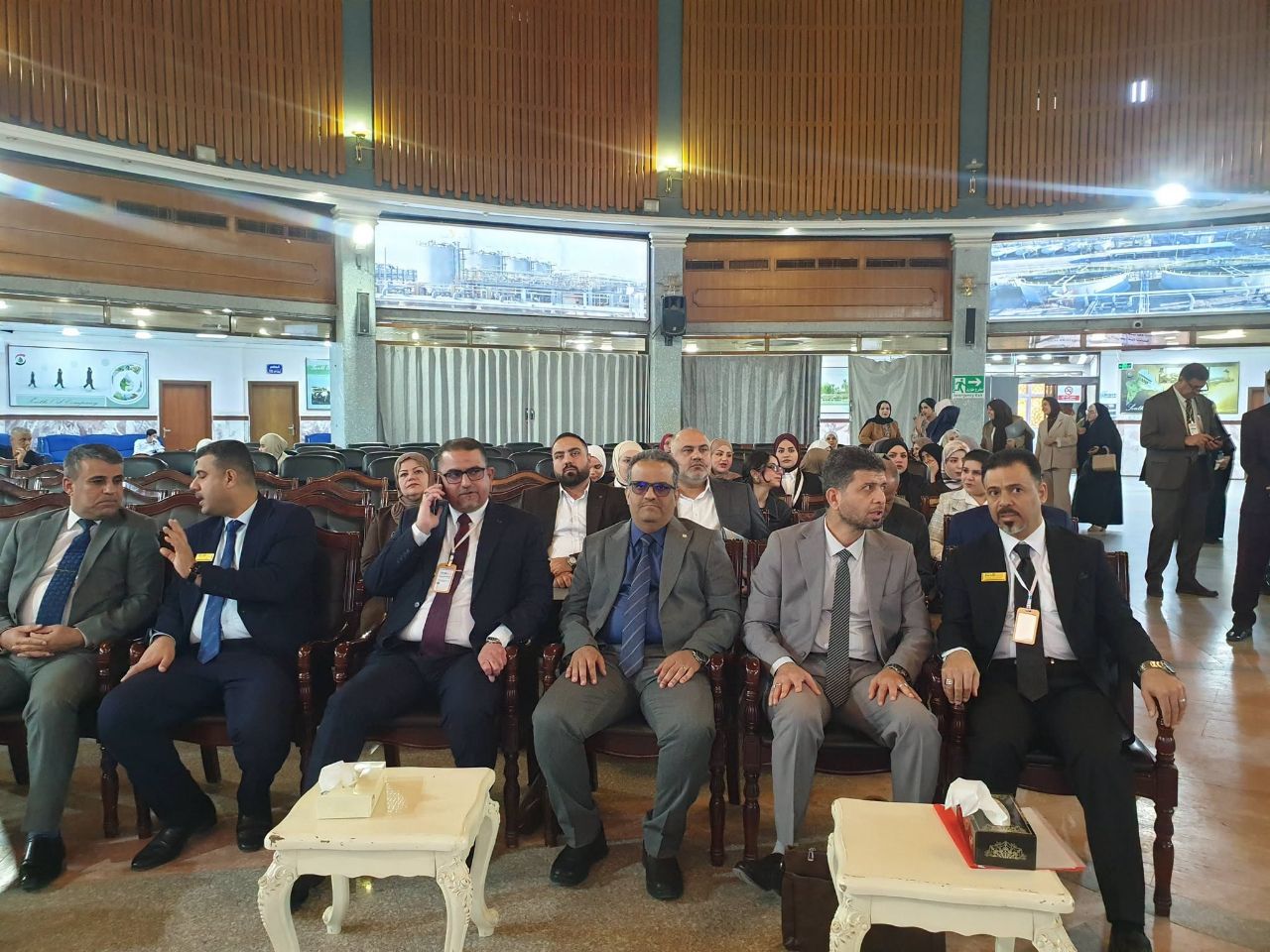
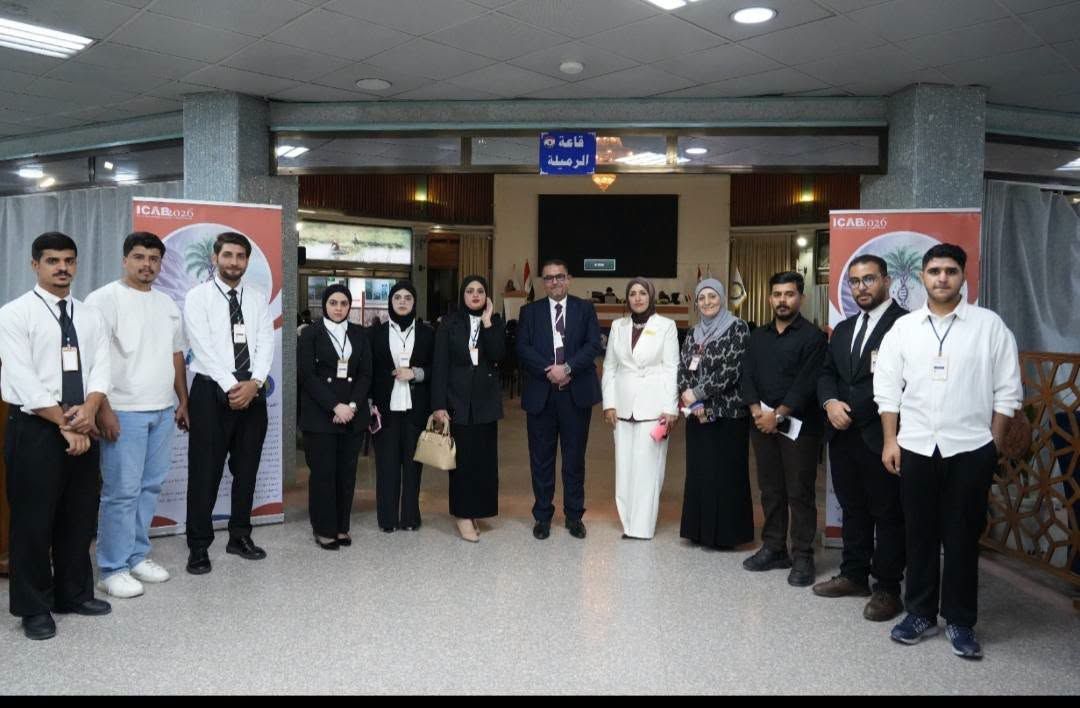
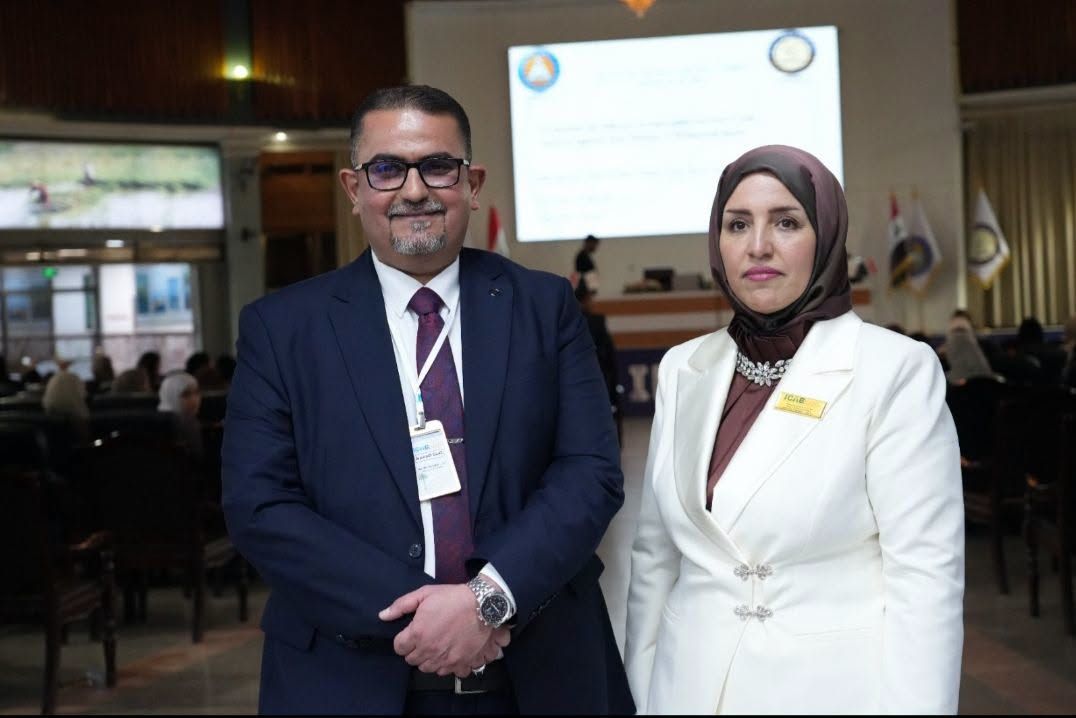
The opening session was attended by the President of the University of Basrah, his assistants for scientific and administrative affairs, the College of Science’s vice-deans for scientific and administrative affairs, and the Head of the biology Sciences Department, alongside faculty members and postgraduate students. There was broad academic participation from professors and researchers across various colleges and disciplines—including the Colleges of Education, Agriculture, and Veterinary Medicine—as well as participants from several Iraqi governorates.
The conference proceedings began with an address by the President of the University of Basrah, followed by speeches from the Vice-Dean for Scientific Affairs and the Head of the biology Sciences Department. These addresses highlighted the importance of supporting scientific research and fostering communication and collaboration among researchers. They also emphasized the role of scientific conferences in exchanging expertise, keeping pace with modern developments in life sciences, and directing research findings toward applications that serve society and achieve sustainable development—key objectives of the conference.
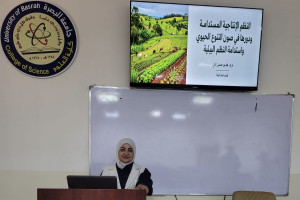
Following the opening session, the scientific program for the first day continued with specialized research sessions held at the Oil Cultural Center. The main hall hosted the session of the Microbiology and Immunology Group, featuring presentations and discussions on diverse topics such as microbiology, virology, mycology, bacteriology, molecular diagnostics, and antibiotic resistance, alongside other medical and biological applications.
Meanwhile, the Zoology Group session took place in Al-Fayhaa Hall, covering research in areas including physiological and pathological markers, diabetes, oxidative stress, apoptosis, toxicity, cellular studies, and biomedical applications, as well as other zoological topics.
The first day’s sessions fostered scientific discussion and interaction among researchers and attendees, promoting the exchange of knowledge and expertise and paving the way for research collaboration across various universities and disciplines. The conference proceedings are set to continue on Thursday, September 17, 2026, in accordance with the scheduled scientific program.
Important News

.jpg)
viewed most