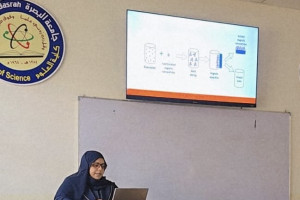
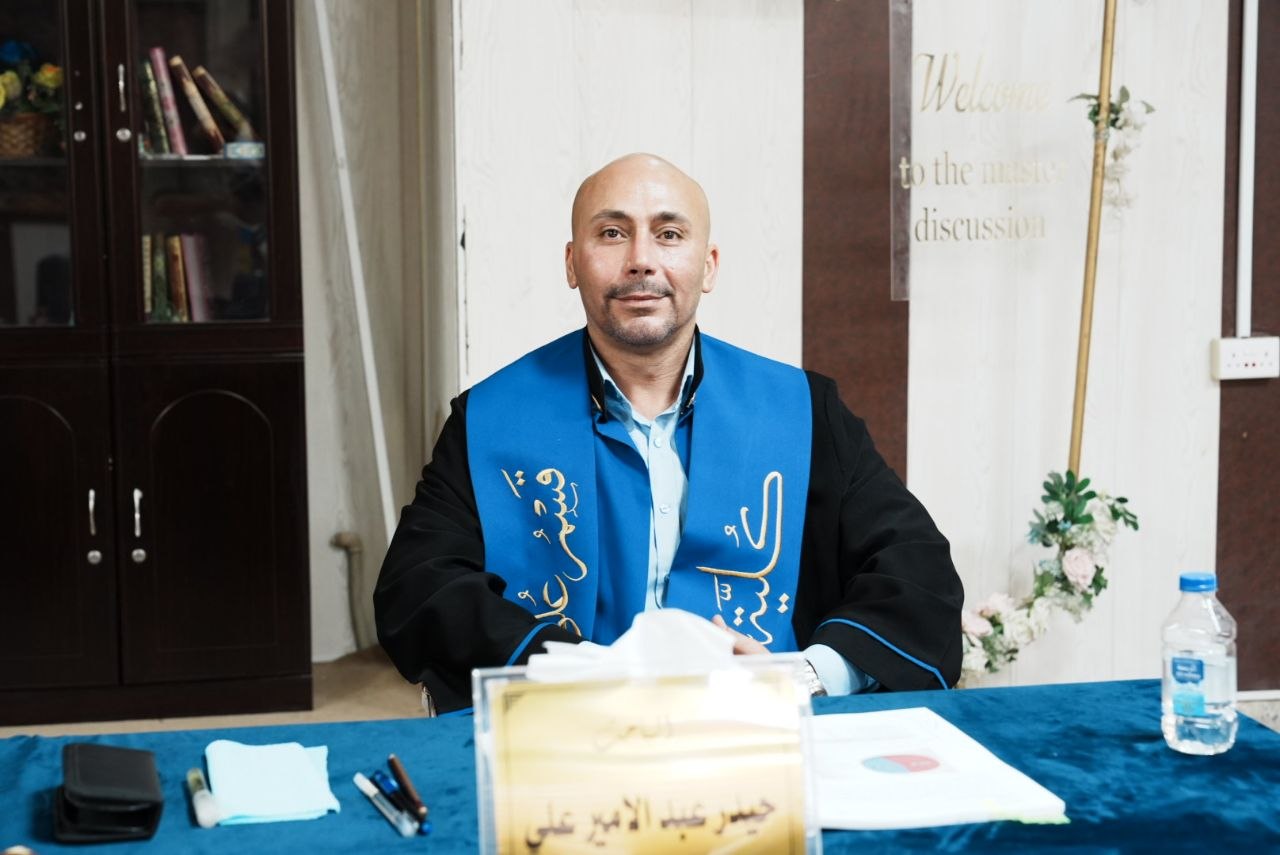
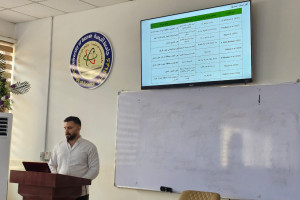
PhD thesis at the Faculty of the College of Science at the University of Basrah (Phenotype and Genotype Identification of Fungal Isolates in Otomycosis Patients with Emphasis on their Enzymatic Activity and Antifungal Sensitivity) and showed the researcher Haider Abdul Amair Ali.
The thesis aims to detect resistance genes in Candida species isolated from otomycosis patients in Basra Governorate hospitals and evaluate some alternative treatments for antifungal-resistant isolates. It concluded a high prevalence of otomycosis in the ENT Department, underscoring the importance of accurate laboratory diagnosis for the management of the disease. Molecular methods proved to be rapid and accurate tools for the identification of yeast isolates and the detection of antifungal resistance genes. The VITEK®2 system played an essential role in confirming antifungal susceptibility patterns. A high prevalence of resistance to azole antifungal drugs was observed among Candida species. Azole drug resistance in Candida isolates was associated with alterations in the ergosterol biosynthesis pathway (ERG11 gene) and overexpression of drug efflux pumps (CDR1 gene), and recommended regional surveillance programs and epidemiological studies to monitor the spread of otomycosis and investigate the role of other yeast species in ear infections. Adoption of the use of molecular methods in the identification and diagnosis of yeast pathogens & antifungal-resistant genes in the microbiology laboratory at Iraqi hospitals. Additional studies are needed to investigate the molecular mechanisms of antifungal resistance genes and their effects on yeast cell structure and pathogenicity.

Important News

viewed most