A doctoral dissertation at the University of Basrah discusses a vaccination protocol using two types of vaccines derived from two types of pathogen-associated molecular patterns (PAMPs): beta-glucan and mannoprotein, in a rat model.
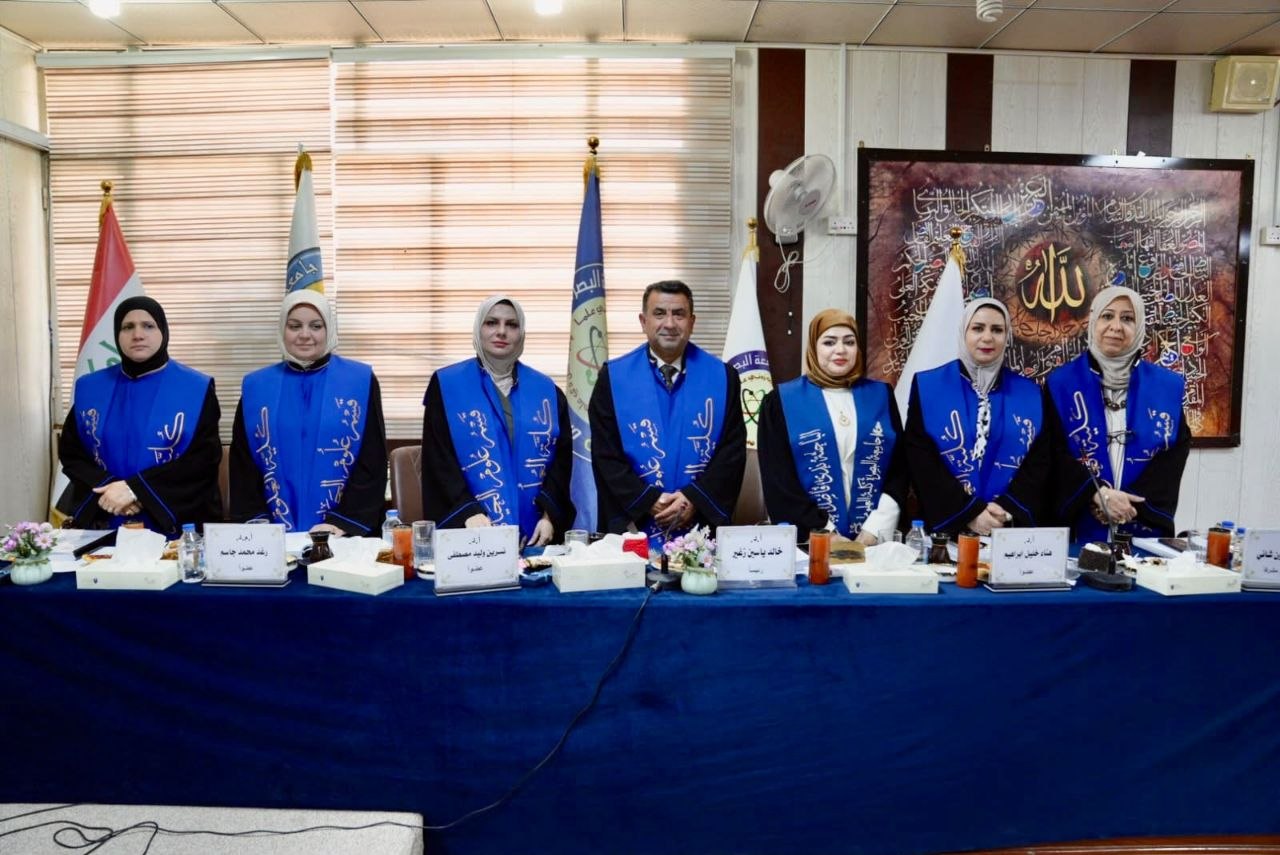
A doctoral dissertation at the College of Science, University of Basrah, discussed an immunization protocol using two vaccines containing beta-glucan and mannoprotein antigens in a rat model. The dissertation was presented by researcher Nada Fadhil Abbas.
The research included evaluating the efficacy of subcutaneous vaccines in a rat model against systemic infection by Candida albicans yeasts and identifying the immune pathway by measuring antibodies and cytokines (IL-1β, IL-17, IL-18, and IL-23), in addition to measuring fungal weight load in the liver and kidneys.
The study concluded that beta-glucan (β-glucan) stimulated the immune response more efficiently than mannoprotein. The thesis recommended adopting this protocol as a promising strategy for developing future antifungal vaccines.
Important News



viewed most